

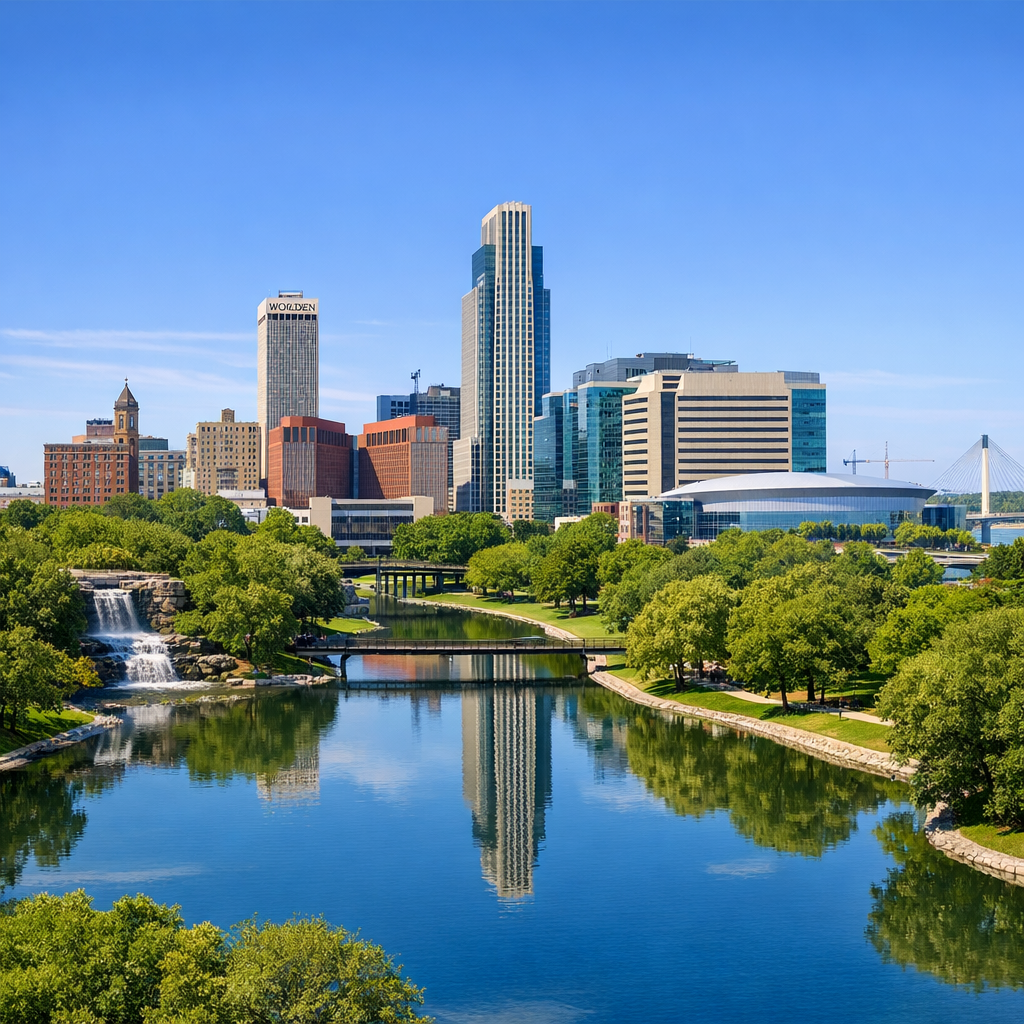
Omaha, Nebraska, experiences a humid continental climate characterized by hot summers and cold winters. Understanding these patterns can help residents prepare for seasonal changes and participate in local environmental efforts.
Seasonal Overview
Winter
Winters in Omaha are cold, with average low temperatures around 16°F (-9°C) in January. Snowfall is common, and residents should be prepared for freezing conditions.
Spring
Spring brings a gradual warming, with average highs reaching 62.6°F (17°C) in April. This season also sees increased precipitation, averaging 3.45 inches (87.63 mm) in April, contributing to lush greenery.
Summer
Summers are warm and humid, with July average highs around 86.4°F (30.2°C). Thunderstorms are frequent, so staying informed about weather forecasts is advisable.
Fall
Fall offers mild temperatures, with October averages around 65°F (18.3°C). It’s a pleasant time for outdoor activities before the onset of winter.
Environmental Initiatives
Omaha is committed to environmental stewardship through various programs:
Keep Omaha Beautiful
This nonprofit organization focuses on environmental education, community stewardship, and pollution prevention. They offer programs like tree planting and recycling education to enhance the city’s sustainability. Learn more.
Omaha Climate Action Plan
The city is developing a Climate Action and Resilience Plan to reduce greenhouse gas emissions and prepare for climate impacts. This strategic roadmap aims to build a more sustainable future for Omaha. Read about the plan.
Earth Day Omaha
Celebrated annually, Earth Day Omaha is one of the nation’s longest-running environmental events. It features green exhibitors, educational displays, and family-friendly activities to promote sustainability. Event details.
By understanding Omaha’s climate and participating in local environmental initiatives, residents can contribute to a healthier and more sustainable community.