

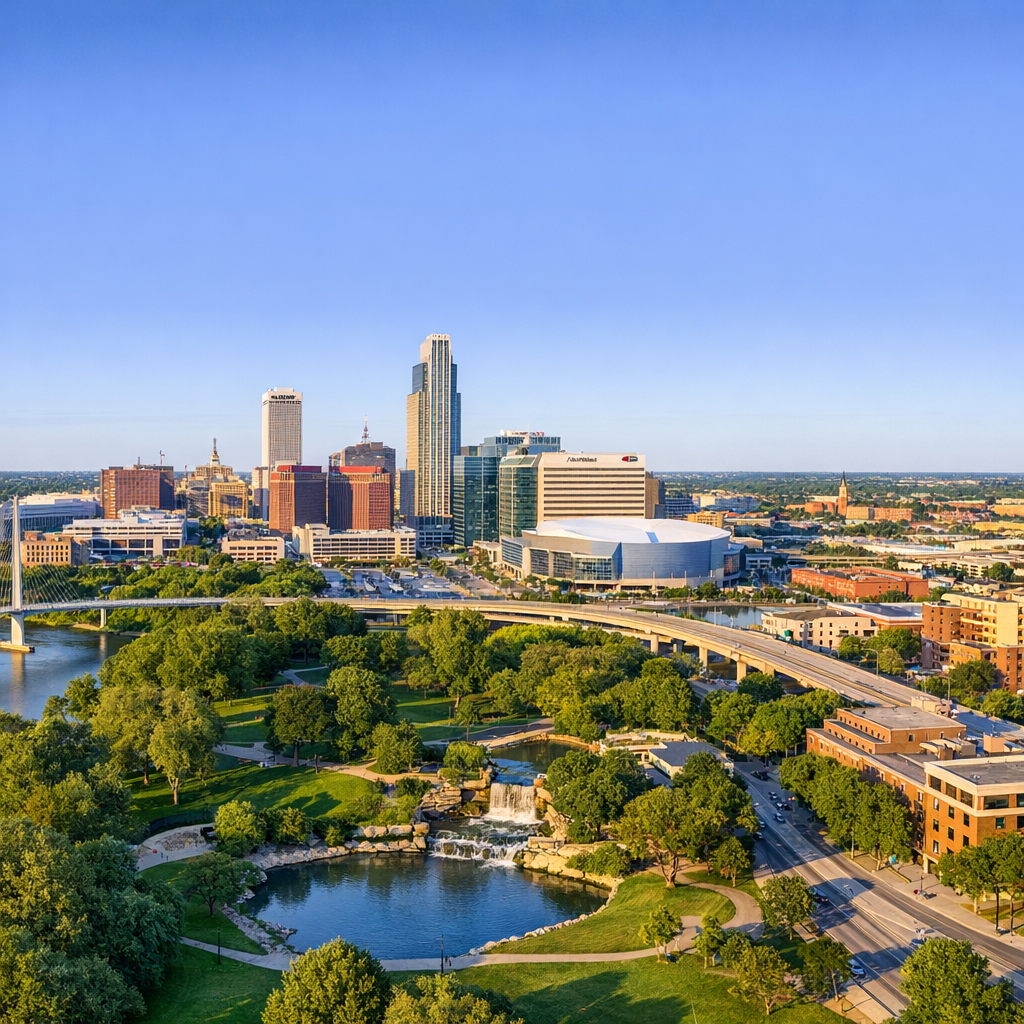
Omaha, Nebraska, experiences a humid continental climate characterized by distinct seasons, each bringing its own unique weather patterns. Understanding these variations is essential for residents and visitors alike.
Seasonal Temperature Variations
Winter months, particularly January, are typically cold, with average high temperatures around 35°F (1.7°C) and lows near 17°F (-8.3°C). As spring arrives, temperatures gradually rise, leading to warm summers where July often sees average highs of 87°F (30.6°C) and lows around 68°F (20°C). The transition into autumn brings cooler temperatures, preparing the city for the return of winter.
Precipitation and Weather Events
Omaha receives an average annual precipitation of approximately 30.7 inches (780 mm). The majority of this occurs between April and September, coinciding with the growing season. This period is also marked by increased thunderstorm activity, contributing to the higher rainfall. Winters, on the other hand, are drier but can bring snowfall, adding to the city’s diverse weather experiences.
Environmental Considerations
Urban development has led to the ‘urban heat island’ effect in certain areas of Omaha. Neighborhoods with extensive concrete and limited green spaces can experience temperatures up to 7°F (3.9°C) higher than more vegetated parts of the city. This phenomenon underscores the importance of urban planning that incorporates green infrastructure to mitigate heat accumulation.
Additionally, Omaha’s air quality is generally good, with an Air Quality Index (AQI) typically ranging between 30 and 50. However, during summer months, ground-level ozone can form when pollutants react under sunlight and heat, potentially leading to health issues such as chest pain and throat irritation. Vulnerable populations, including children, the elderly, and individuals with respiratory conditions, should be particularly cautious during these periods.
Conclusion
Omaha’s climate offers a full spectrum of weather conditions, from cold winters to hot summers, with varying precipitation patterns throughout the year. Staying informed about these seasonal changes and understanding their environmental impacts can help residents and visitors make the most of what the city has to offer.