

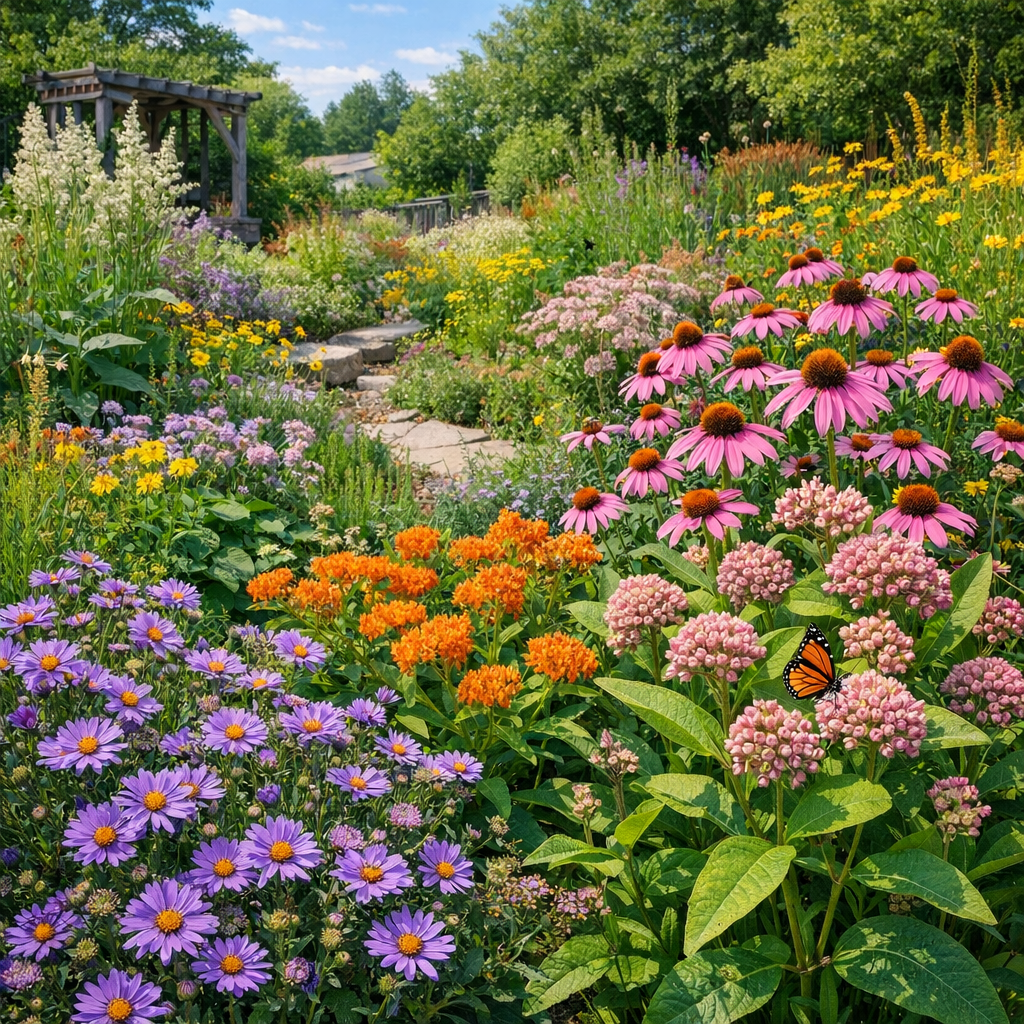
Gardening enthusiasts in Omaha are increasingly turning to native plants to create sustainable and low-maintenance landscapes. Native species are well-adapted to the local climate and soil conditions, offering numerous benefits for both gardeners and the environment.
Why Choose Native Plants?
Native plants have evolved over thousands of years to thrive in Omaha’s unique environment. This adaptation means they require less water, fertilizer, and pesticides compared to non-native species. Additionally, they provide essential habitats and food sources for local wildlife, including pollinators like bees and butterflies.
Top Native Plants for Omaha Gardens
Incorporating native plants can enhance the beauty and resilience of your garden. Here are some top choices:
Aromatic Aster (Symphyotrichum oblongifolium)
Blooming in the fall, aromatic asters add vibrant purple hues to gardens when many other plants have finished flowering. They are drought-tolerant and attract a variety of pollinators.
Milkweed (Asclepias spp.)
Milkweed is crucial for monarch butterflies, serving as the sole host plant for their larvae. Species like common milkweed (Asclepias syriaca) and butterfly weed (Asclepias tuberosa) are excellent additions to support these iconic insects.
Pale Purple Coneflower (Echinacea pallida)
Known for its distinctive drooping petals, this coneflower variety thrives in Omaha’s climate and attracts bees and butterflies.
Goldenrod (Solidago spp.)
Often unfairly blamed for allergies, goldenrod provides late-season nectar for pollinators and adds a splash of yellow to the autumn landscape.
Blazing Star (Liatris spp.)
With its tall spikes of purple flowers, blazing star is a favorite among butterflies and adds vertical interest to gardens.
Big Bluestem (Andropogon gerardii)
As a native grass, big bluestem offers structural beauty and serves as a habitat for various wildlife species.
Leadplant (Amorpha canescens)
This hardy shrub features purple flowers and silvery foliage, thriving in dry conditions and supporting pollinators.
Foxglove Beardtongue (Penstemon digitalis)
With its white tubular flowers, this plant attracts hummingbirds and adds elegance to garden borders.
Local Resources for Native Plants
For those interested in incorporating native plants into their landscapes, several local resources are available:
- Bumbling Bee Native Wildflowers: Based in Omaha, they offer a variety of locally native and pollinator-friendly wildflowers and grasses. Their mission is to make native plants affordable and accessible to everyone. More information can be found on their website.
- Dee-sign Landscaping: This Omaha-based company emphasizes the use of native and indigenous plant materials in their landscaping services. They highlight the benefits of native grasses and wildflowers, such as coneflowers and asters, for their low maintenance and ecological advantages.
- Nebraska Monarchs: This organization offers free native gardens to individuals and shared spaces across Nebraska. Their annual Native Plant Giveaway and Environmental Expo provides pre-designed native perennial gardens to households, promoting the establishment of pollinator habitats.
By choosing native plants, Omaha residents can create beautiful, resilient gardens that support local ecosystems and require less maintenance. Embracing native flora not only enhances the aesthetic appeal of our landscapes but also contributes to the preservation of Nebraska’s natural heritage.