

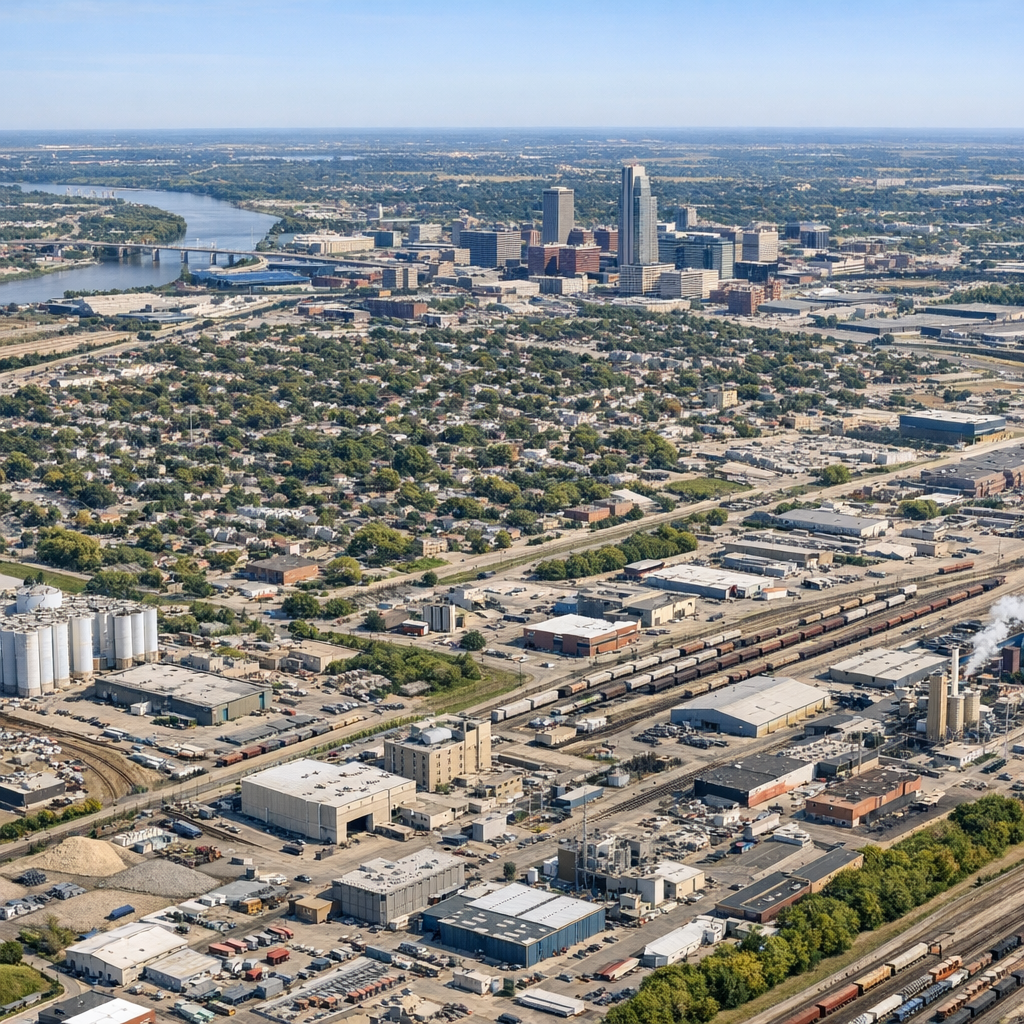
Omaha, Nebraska, is confronting significant environmental health challenges that affect the well-being of its residents. Two primary concerns are lead exposure and air quality, both of which have long-term implications for public health.
Lead Exposure in Children
Despite Omaha’s designation as one of the largest residential lead Superfund sites in the United States, many children in the area remain untested for lead poisoning. Lead exposure can lead to developmental delays and other serious health issues in children. Public health officials emphasize the importance of regular testing to identify and mitigate exposure risks. However, the lack of mandatory testing means that many cases go undetected, leaving children vulnerable to the harmful effects of lead. Source
Air Quality Concerns
The North Omaha coal plant has been a focal point of air quality concerns. While the Omaha Public Power District (OPPD) asserts that the plant poses no significant health threat, residents and health experts have expressed skepticism. Community surveys indicate that many residents experience environmental issues such as bad odors and smoke in the air, which they attribute to the coal plant’s operations. These concerns highlight the need for transparent communication and comprehensive environmental assessments to address community apprehensions. Source
Community Initiatives and Future Steps
In response to these challenges, Omaha has initiated several programs aimed at improving environmental health. The city’s Climate Action and Resilience Plan outlines strategies to reduce greenhouse gas emissions and enhance community resilience. Additionally, local organizations are advocating for increased testing for lead exposure and stricter regulations on industrial emissions to protect public health. Source
Addressing these environmental health issues requires a collaborative effort between government agencies, community organizations, and residents. By prioritizing public health and environmental justice, Omaha can work towards a healthier and more sustainable future for all its citizens.