
Recent developments in the United States have brought economic challenges and political tensions to the forefront, affecting both national sentiment and local communities like Omaha.
Economic Pressures Mount
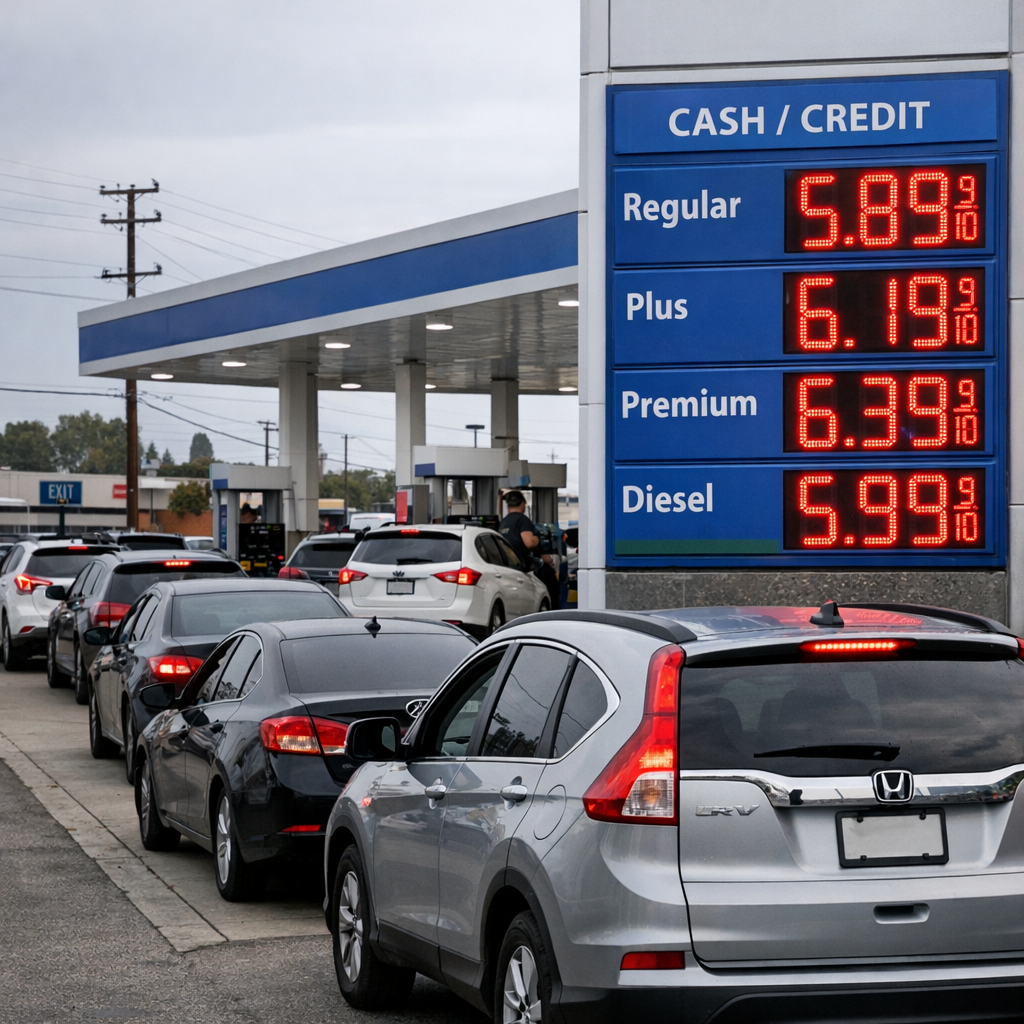
Inflation has surged to 3.8% in April, driven by escalating energy costs linked to the ongoing conflict in Iran. Gas prices have risen above $4.50 per gallon nationally, with some states experiencing prices exceeding $5. This increase has led to a decline in consumer purchasing power, as wage growth fails to keep pace with rising prices. Consequently, many Americans are relying more on credit, and consumer sentiment has reached record lows. Small business optimism has also declined, reflecting broader economic concerns.
Political Implications
Public dissatisfaction with the current administration’s economic policies is evident. A recent CBS News/YouGov poll indicates that 70% of Americans feel “angry” or “frustrated” about the handling of the economy. This sentiment poses challenges for the administration as the 2026 midterm elections approach, with potential implications for the political landscape.
Local Impact
In Omaha, residents are feeling the effects of these national trends. Higher fuel prices are increasing transportation costs, affecting daily commutes and business operations. Local businesses are grappling with rising expenses and reduced consumer spending, leading to concerns about economic stability in the region.
Looking Ahead
As the nation navigates these economic and political challenges, it is crucial for policymakers to address the underlying issues contributing to public dissatisfaction. Implementing measures to stabilize the economy and restore consumer confidence will be essential in shaping a more positive outlook for communities across the country, including Omaha.