

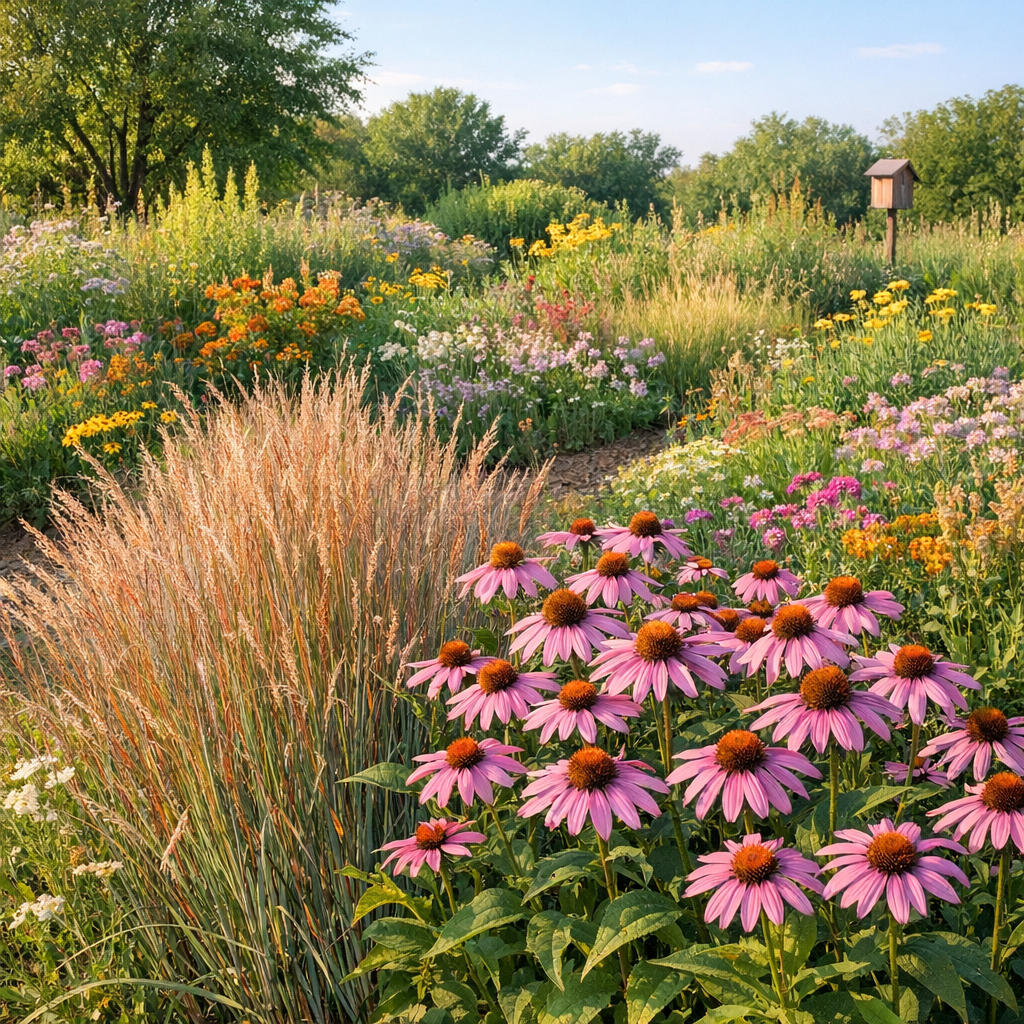
As Omaha residents, we have a unique opportunity to enhance our gardens while supporting local ecosystems by incorporating native plants into our landscapes. Native plants are species that have evolved in our region over thousands of years, adapting to local soil, climate, and wildlife. By choosing native flora, we can create beautiful, low-maintenance gardens that benefit both the environment and our community.
Why Choose Native Plants?
Native plants offer several advantages over non-native species:
- Adaptability: These plants are well-suited to Omaha’s climate and soil conditions, requiring less water and care once established.
- Support for Wildlife: They provide essential habitat and food sources for local pollinators, birds, and other wildlife.
- Soil Health: Native plants often have deep root systems that improve soil structure, prevent erosion, and enhance water infiltration.
Top Native Plants for Omaha Gardens
Here are some native plants that thrive in Omaha’s environment:
Purple Coneflower (Echinacea purpurea)
A classic prairie wildflower, the purple coneflower boasts large, daisy-like pink to purple flowers with a prominent central cone. Blooming from June to September, it attracts butterflies, bees, and birds, providing ongoing visual and ecological interest. This plant thrives in full sun to partial shade and is drought-tolerant once established. Learn more
Little Bluestem (Schizachyrium scoparium)
This shorter, clumping grass features blue-green foliage that turns reddish-orange in the fall. Little bluestem is drought-tolerant and excellent for erosion control. It also supports various butterfly species. Plant it in full sun for optimal growth. Learn more
Wild Bergamot (Bee Balm) (Monarda fistulosa)
Wild bergamot produces lavender to pink tubular flowers from July to September, attracting native bees and butterflies. It prefers full sun to partial shade and moderate water, making it a versatile addition to gardens. Learn more
Butterfly Milkweed (Asclepias tuberosa)
Known for its brilliant orange blooms in summer, butterfly milkweed is essential for monarch butterflies, providing nectar and serving as a host plant for caterpillars. It thrives in sunny, well-drained areas and is drought-tolerant once established. Learn more
Getting Started with Native Gardening
To successfully incorporate native plants into your garden:
- Assess Your Site: Observe the sunlight, soil type, and moisture levels in your garden to select appropriate plants.
- Start Small: Begin by adding a few native species to existing beds or creating a small native plant area.
- Group Plants: Plant in clusters to create visual impact and provide better habitat for wildlife.
- Maintain Naturally: Once established, native plants require minimal maintenance. Avoid overwatering and fertilizing, as these plants are adapted to local conditions.
By embracing native plants, Omaha gardeners can create sustainable, vibrant landscapes that support local wildlife and require less maintenance. Whether you’re starting small or transforming your entire yard, incorporating native species is a rewarding step toward a healthier environment.